

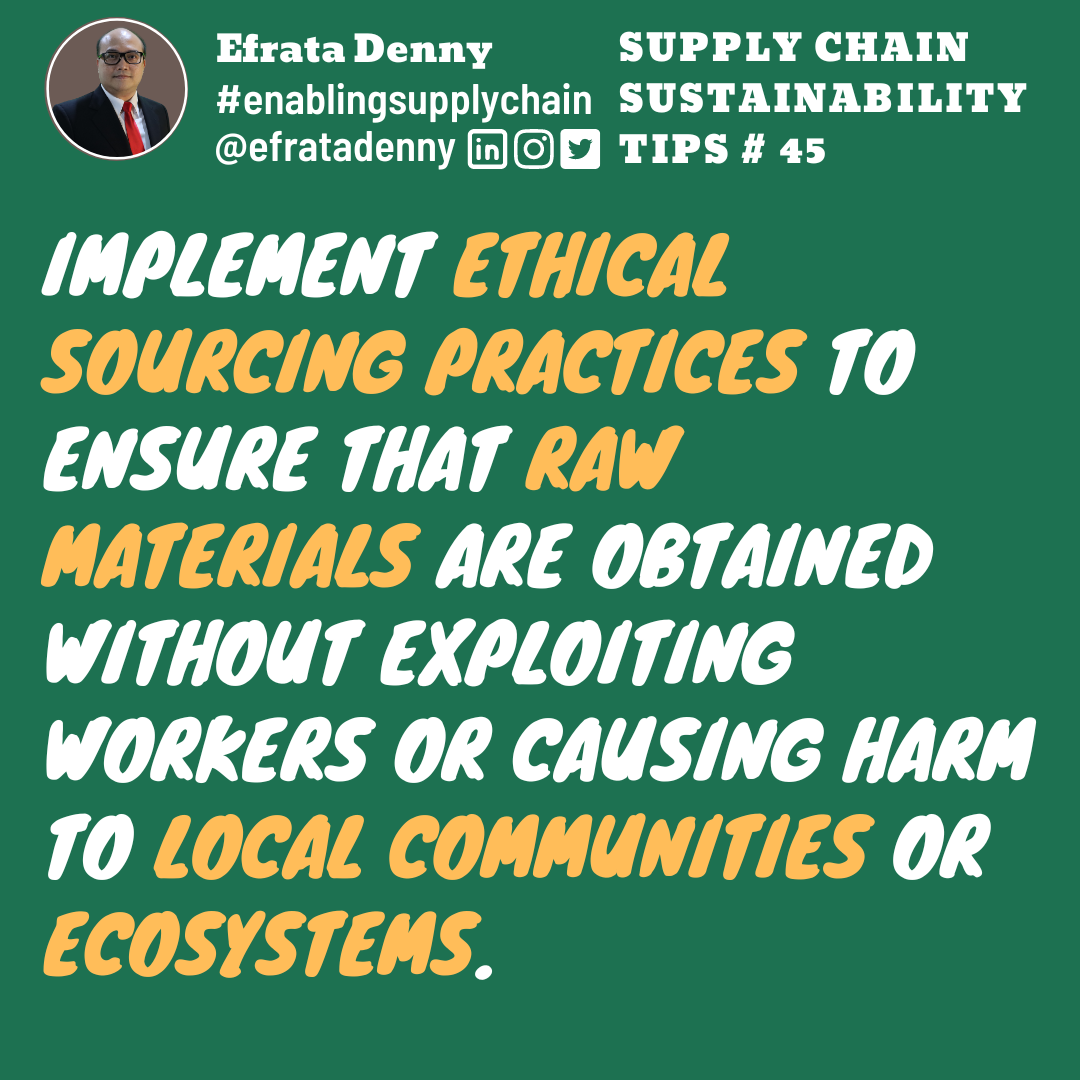
Implementing ethical sourcing practices is not just a choice; it’s a responsibility. It ensures that raw materials are obtained without exploiting workers or causing harm to local communities and ecosystems. By prioritizing ethical sourcing, we can make a positive impact on people’s lives, protect the environment, and contribute to a more sustainable future. In this article, we will explore key tips to incorporate responsible practices into your supply chain and make a difference.
- Supplier assessments: Conduct thorough assessments of suppliers’ social and environmental practices. This includes evaluating their labor conditions, human rights records, and environmental impact. By selecting suppliers who align with ethical standards and commitments, you lay the foundation for a responsible supply chain.
- Supply chain transparency: Foster transparency throughout the supply chain to identify and address potential ethical concerns. From raw material extraction to the final product, traceability and open communication enable you to monitor processes and take corrective actions if necessary. Transparency builds trust and accountability within your supply chain.
- Code of conduct: Establish a robust supplier code of conduct that outlines clear guidelines on fair wages, safe working conditions, human rights, and environmental protection. Make sure it aligns with international standards and communicates your expectations to suppliers. A strong code of conduct sets the framework for responsible practices and creates a shared understanding.
- Supplier collaboration: Collaborate with suppliers to build long-term relationships based on mutual respect and shared values. Encourage open dialogue and continuous improvement towards ethical practices. By working together, you can address challenges, share knowledge, and drive positive change throughout the supply chain.
- Audits and certifications: Regularly conduct audits to assess compliance with ethical sourcing standards. Encourage suppliers to obtain certifications that verify their adherence to responsible practices, such as Fairtrade or Rainforest Alliance. These certifications provide credibility and assurance to consumers and stakeholders, fostering trust in your commitment to ethical sourcing.
- Local community engagement: Engage with local communities to understand their needs and respect their rights. Implement initiatives that contribute to their social and economic well-being. By supporting local communities, you can create positive social impacts and build relationships based on trust and collaboration.
- Environmental stewardship: Ensure that sourcing practices prioritize the conservation of ecosystems, protect biodiversity, and minimize environmental impacts. Consider sustainable alternatives, promote responsible resource management, and encourage suppliers to adopt eco-friendly practices. By prioritizing environmental stewardship, you contribute to a healthier planet for future generations.
Ethical sourcing is a powerful way to make a positive difference in the world. By implementing responsible practices, you protect workers’ rights, support local communities, and safeguard the environment. Through supplier assessments, transparency, collaboration, and engagement, we can build a responsible supply chain that creates lasting value. Let’s prioritize ethical sourcing, make responsible choices, and work together towards a more sustainable future. Together, we can create a supply chain we can be proud of!









 Efrata Denny