
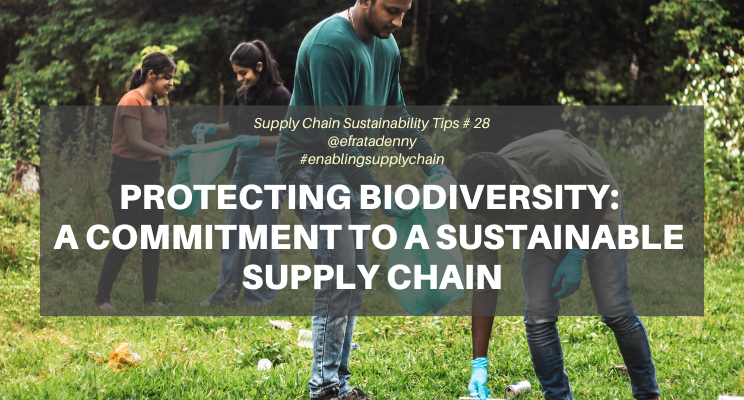
Biodiversity conservation is crucial for maintaining the balance of ecosystems and ensuring a sustainable future for our planet. As businesses, we have a responsibility to consider the impact of our supply chain activities on local ecosystems. In this article, we will explore practical tips to promote biodiversity conservation and create a more sustainable supply chain.
- Conduct biodiversity assessments: Start by evaluating the potential impact of your supply chain activities on local ecosystems. Consider factors such as habitat destruction, species displacement, or pollution. By understanding the potential risks, you can develop strategies to minimize negative impacts and protect biodiversity.
- Preserve natural habitats: Identify ways to minimize disruption to natural habitats during sourcing, production, and transportation processes. This may involve working closely with suppliers to ensure responsible practices that avoid encroaching upon biodiversity hotspots. By preserving natural habitats, we protect the delicate balance of ecosystems.
- Support sustainable agriculture: Prioritize suppliers who practice sustainable agricultural methods. Encourage biodiversity-friendly farming techniques that avoid the use of harmful pesticides and promote soil health. Sustainable agriculture not only protects biodiversity but also ensures long-term food security and the well-being of local communities.
- Responsible land use: Promote responsible land use practices throughout your supply chain. Avoid deforestation by sourcing from suppliers who demonstrate a commitment to protecting natural areas. Consider supporting regenerative agriculture methods that restore soil health and promote biodiversity.
- Reduce pollution and waste: Implement measures to minimize pollution and waste generation across the supply chain. Evaluate processes to prevent harmful substances from reaching ecosystems. By reducing pollution and waste, we safeguard the health of ecosystems and prevent the degradation of natural habitats.
- Engage local communities: Collaborate with local communities, indigenous groups, and conservation organizations. Seek their insights and involve them in decision-making processes. By understanding their concerns and working together, you can develop solutions that prioritize biodiversity conservation while respecting the needs of local communities.
- Support restoration initiatives: Contribute to ecosystem restoration projects as part of your commitment to biodiversity conservation. Support initiatives such as reforestation or wetland rehabilitation to revitalize impacted areas and restore critical habitats. By actively participating in restoration efforts, you can help conserve biodiversity and create positive change.
Protecting biodiversity is essential for the long-term sustainability of our planet. By considering the impact of supply chain activities on local ecosystems and implementing strategies to promote biodiversity conservation, we can be stewards of the environment. Let’s commit to preserving natural habitats, supporting sustainable agriculture, reducing pollution, engaging with local communities, and actively participating in restoration initiatives. Together, we can build a more sustainable supply chain and contribute to the protection of our planet’s rich biodiversity.










 Efrata Denny