Efrata Denny

Personal Blog contains Wines, Foods, Traveling, and Photography

  • Home
  • All About Me
    • Yes This is Me
    • Private Message
    • Guest Book
    • Collection
      • Cigars
      • IntermezZo
      • Liquors
      • Sketch
      • Zombie Story
    • Friends
    • Portfolio
      • Kraft Foods
      • Arnott’s
      • Glaxo Smith Kline
      • Online Store
    • Press
  • Wines
    • Argentina
    • Australia
    • Austria
    • Chile
    • France
    • Indonesia
    • Israel
    • Italia
    • Portugal
    • South Africa
    • Spain
    • USA
    • Vietnam
  • Food
  • Traveling
    • Australia
    • China
    • Hong Kong
    • Indonesia
    • Macau
    • Malaysia
    • Philippines
    • Singapore
    • Thailand
    • Vietnam
  • Photography
    • Model
    • Still Life
    • Liquidart
    • Underwater
  • Awards
  • Supply Chain
    • Sustainability
    • Workshop

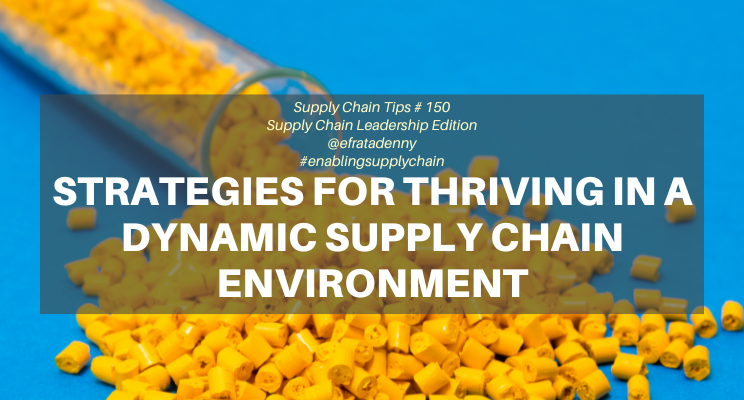
Strategies for Thriving in a Dynamic Supply Chain Environment

Posted by efratadenny on 13 January 2024
Posted in: Leadership, Supply Chain. Tagged: enablingsupplychain, Leadership, Supply Chain, Supply Chain Leadership, Supply Chain Management. Leave a comment

“Continuously evaluate and optimize your supply chain strategy.” – Efrata Denny

In today’s dynamic business landscape, staying ahead in supply chain management requires a proactive approach. One of the fundamental aspects of this approach is to continuously evaluate and optimize your supply chain strategy. This ensures your operations remain efficient, customer satisfaction soars, and your competitive edge stays sharp. To help you achieve this, we’ve compiled ten valuable tips:

1. Clear Goals for Clarity

Your supply chain strategy should be in sync with your broader business goals. Ensure your supply chain goals are well-defined and measurable to provide a clear sense of direction.

2. Monitor and Adjust

Consistently assess your supply chain’s performance through key performance indicators (KPIs). Keep tabs on metrics such as cost efficiency, customer satisfaction, lead times, and sustainability to pinpoint areas that require improvement.

3. SWOT Analysis

Conduct a comprehensive SWOT analysis to identify internal strengths and weaknesses, as well as external opportunities and threats affecting your supply chain.

4. Innovation Integration

Stay informed about emerging industry trends, technologies, and best practices. Implement innovative solutions like automation, digitalization, and artificial intelligence to optimize your supply chain operations.

5. Seek Stakeholder Feedback

Engage with suppliers, customers, and employees to gather valuable insights and ideas for enhancing your supply chain strategy.

6. Collaborate with Partners

Nurture strong collaborative relationships with your supply chain partners, from suppliers to logistics providers. Involve them in the strategy evaluation process to leverage their expertise.

7. Identify Areas for Improvement

Examine bottlenecks, inefficiencies, and costly aspects of your supply chain. Use this analysis to streamline processes, eliminate waste, and boost overall efficiency.

8. Sustainability Integration

Prioritize sustainability by incorporating environmental, social, and governance (ESG) factors. Explore ways to reduce your carbon footprint, encourage ethical sourcing, and promote social responsibility.

9. Embrace Agility

Embed agility in your supply chain strategy to enable quick adaptation to market changes and disruptions. Flexibility and responsiveness are paramount in the fast-paced business environment.

10. Continuous Learning

Cultivate a learning mindset by seeking industry insights, attending conferences, and investing in professional development. Staying informed about evolving supply chain trends and best practices is vital.

By following these ten tips, you can create a supply chain strategy that adapts to changing dynamics, ensures operational excellence, elevates customer satisfaction, and sustains your competitive edge in the market. Embrace a culture of continuous improvement, share these insights with your supply chain network, and position your organization as a trailblazer in supply chain management.

Share this:

  • Click to share on Facebook (Opens in new window) Facebook
  • Click to share on X (Opens in new window) X
  • Click to share on LinkedIn (Opens in new window) LinkedIn
  • Click to email a link to a friend (Opens in new window) Email
  • Click to share on Tumblr (Opens in new window) Tumblr
  • Click to share on Pinterest (Opens in new window) Pinterest
Like Loading...

Pioneering the Next Generation of Supply Chain Coordination through Technology

Posted by efratadenny on 12 January 2024
Posted in: Leadership, Supply Chain. Tagged: enablingsupplychain, Leadership, Supply Chain, Supply Chain Leadership, Supply Chain Management. Leave a comment

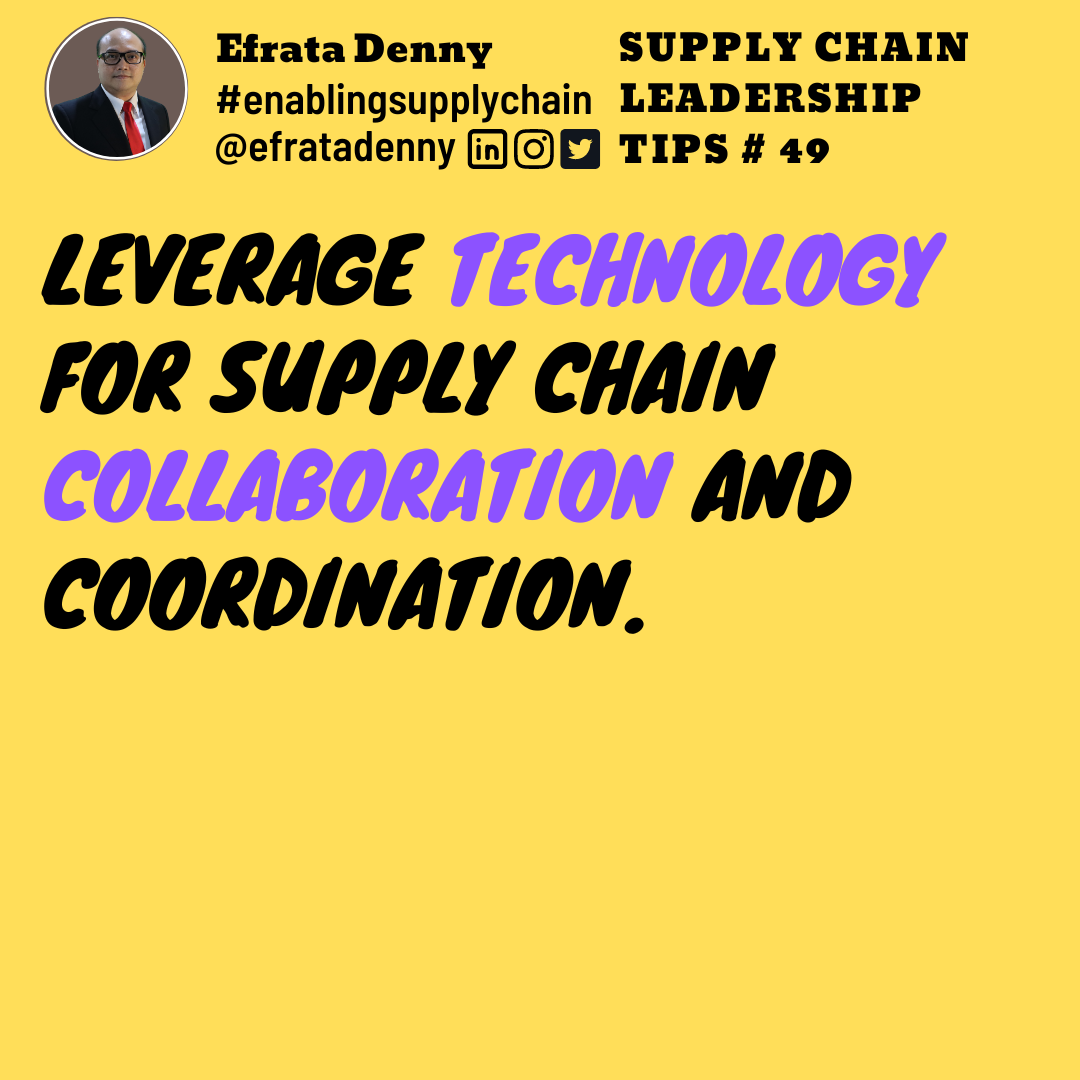
“Leverage technology for supply chain collaboration and coordination.” – Efrata Denny

In today’s fast-paced and interconnected business landscape, supply chain management has undergone a digital transformation. Leveraging technology has become a cornerstone of successful supply chain collaboration and coordination. This article explores how technology can empower your supply chain operations and offers practical tips to harness its potential.

1. Adopt Collaborative Platforms

Embracing cloud-based collaboration platforms can transform the way your supply chain partners communicate and share information. These platforms enable real-time collaboration, document sharing, and task tracking, fostering efficient coordination among team members.

2. Implement Supply Chain Management Software

Investing in robust supply chain management software is crucial. Such software integrates key functions like demand planning, inventory management, order processing, and logistics. This integration enhances visibility, streamlines processes, and allows for seamless coordination across the supply chain.

3. Utilize Real-Time Analytics

Data analytics tools offer actionable insights into supply chain performance, demand patterns, and market trends. Real-time analytics empower decision-makers with the information they need to optimize processes and address areas for improvement swiftly.

4. Embrace Internet of Things (IoT)

The Internet of Things (IoT) revolutionizes supply chain management by providing real-time data through sensors and devices. IoT-enabled solutions improve visibility, traceability, and predictive maintenance, increasing coordination and efficiency.

5. Explore Blockchain Technology

Blockchain technology offers secure and transparent supply chain transactions. It provides immutable records, enhanced traceability, and streamlined contract management, promoting trustworthy and coordinated interactions.

6. Implement Automation

Integrating automation technologies such as robotic process automation (RPA) and robotic warehouse systems streamlines repetitive tasks, reduces errors, and boosts overall efficiency, contributing to seamless coordination.

7. Enhance Communication Channels

In today’s digital age, effective communication is key to coordination. Utilizing instant messaging apps, video conferencing tools, and project management platforms facilitates real-time collaboration regardless of physical locations.

8. Embrace Predictive Analytics

Predictive analytics can revolutionize supply chain coordination. By forecasting demand, optimizing inventory levels, and proactively addressing potential disruptions, predictive analytics equips businesses to stay ahead of market fluctuations.

9. Implement Mobile Solutions

Mobile access to supply chain information and tools empowers stakeholders to access critical data and perform tasks on the go. Mobile apps enhance flexibility, productivity, and responsiveness, improving overall coordination.

10. Foster a Culture of Innovation

To truly embrace technology, encourage your supply chain team to explore emerging technologies, share innovative ideas, and experiment with new solutions. An innovative culture paves the way for continuous improvement and transformative advancements.

In the digital age, technology is the driving force behind efficient supply chain collaboration and coordination. By adopting these tips and embracing technological advancements, you can revolutionize your supply chain management, enhance visibility, and unlock new possibilities for success. Stay ahead in the ever-evolving world of supply chain management with the transformative power of technology.

Share this:

  • Click to share on Facebook (Opens in new window) Facebook
  • Click to share on X (Opens in new window) X
  • Click to share on LinkedIn (Opens in new window) LinkedIn
  • Click to email a link to a friend (Opens in new window) Email
  • Click to share on Tumblr (Opens in new window) Tumblr
  • Click to share on Pinterest (Opens in new window) Pinterest
Like Loading...

Staying Informed: A Key to Success in Emerging Market Sourcing

Posted by efratadenny on 11 January 2024
Posted in: Leadership, Supply Chain. Tagged: enablingsupplychain, Leadership, Supply Chain, Supply Chain Leadership, Supply Chain Management. Leave a comment

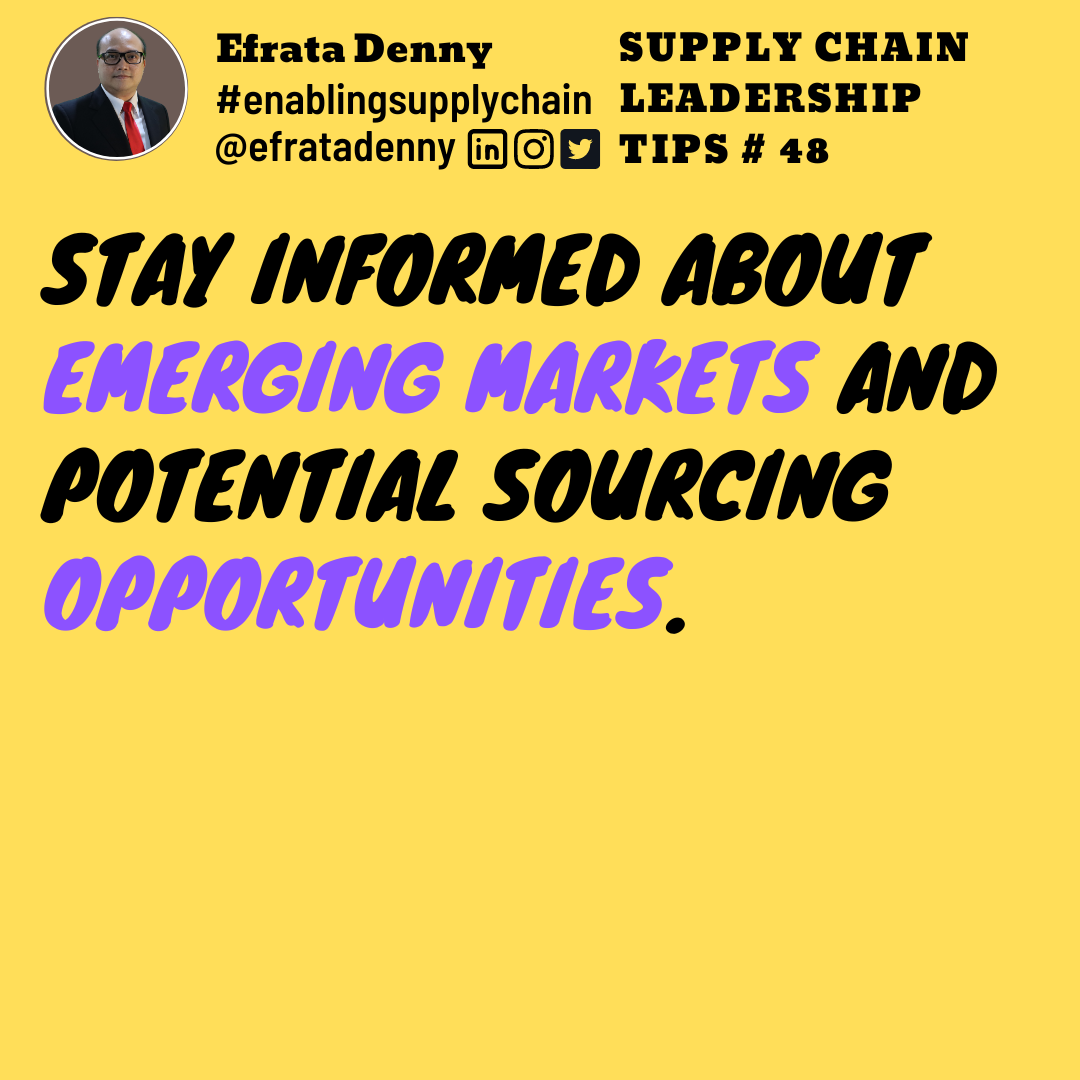
“Stay informed about emerging markets and potential sourcing opportunities.” – Efrata Denny

In today’s fast-paced world of supply chain management, businesses must be agile and well-informed to stay competitive. Emerging markets offer exciting sourcing opportunities, but navigating them requires a strategic approach. This article provides a comprehensive guide on how to identify, evaluate, and harness the potential of emerging markets to optimize your supply chain and drive innovation.

As the global marketplace continues to evolve, staying ahead in the world of supply chain management requires more than just traditional practices. It demands a proactive and adaptable approach that taps into the potential of emerging markets and sourcing opportunities. In this dynamic environment, being well-informed about global economic trends, industry dynamics, and evolving marketplaces is essential. Here are ten tips to help you leverage emerging markets and unlock exciting sourcing prospects.

1. Research and Monitor

Begin by conducting in-depth research and staying vigilant about global economic trends. Keep your finger on the pulse of emerging markets by following industry publications, attending relevant conferences, and actively participating in networks that provide valuable insights into new sourcing opportunities.

2. Identify Potential Markets

Recognize that not all emerging markets are created equal. It’s essential to select markets that align with your business objectives and supply chain needs. Factors such as market size, infrastructure, labor capabilities, political stability, and regulatory environment should be considered when evaluating their potential.

3. Build Local Partnerships

Establish strong partnerships with local organizations, industry associations, and experts in the target emerging markets. They can offer valuable insights into navigating local business practices, regulatory requirements, and cultural nuances, giving you a significant advantage.

4. Assess Risks and Challenges

Assess the risks and challenges involved in sourcing from emerging markets. Consider factors like transportation logistics, supply chain disruptions, quality control, intellectual property protection, and regulatory compliance, and develop mitigation strategies.

5. Conduct Due Diligence

Thorough due diligence is crucial when selecting suppliers or partners in emerging markets. Assess their capabilities, financial stability, ethical practices, and compliance with international standards to ensure a reliable and responsible partnership.

6. Foster Flexibility

Maintain a flexible sourcing strategy that can adapt to changing market dynamics. Be open to exploring multiple sourcing options and diversifying your supplier base to mitigate risks and seize emerging opportunities.

7. Embrace Cultural Intelligence

Developing cultural intelligence within your organization is essential to building successful relationships in emerging markets. Understanding local customs, communication styles, and business etiquette will enhance your ability to navigate cultural differences and foster effective collaborations.

8. Monitor Regulatory Changes

Regulatory changes, trade agreements, and tariffs can significantly impact sourcing decisions. Keep abreast of evolving regulations and compliance requirements by engaging with industry associations and trade organizations.

9. Leverage Technology and Data

Technology, data analytics, and supply chain visibility tools provide real-time insights into market trends, supplier performance, and potential sourcing opportunities. Utilize these advanced tools to remain competitive and agile in the dynamic marketplace.

10. Foster Innovation

To stay at the forefront of emerging markets, embrace innovation and creativity in your sourcing strategies. Consider partnerships with startups, technology disruptors, and local innovators in these markets to access unique products, services, and solutions.

By staying informed about emerging markets and sourcing opportunities, supply chain professionals can unlock new avenues for growth, diversify their supplier base, and drive innovation. These dynamic and rapidly evolving markets offer a world of possibilities for those who are proactive, well-prepared, and open to change. To ensure your supply chain stays competitive in the ever-changing global landscape, share these tips with your network and seize the potential of emerging markets in your sourcing strategies.

This comprehensive guide equips supply chain professionals with the knowledge and strategies needed to capitalize on emerging markets and sourcing opportunities. By understanding the unique challenges and opportunities these markets present, businesses can drive innovation, diversify their supply chains, and maintain a competitive edge in the global marketplace.

Share this:

  • Click to share on Facebook (Opens in new window) Facebook
  • Click to share on X (Opens in new window) X
  • Click to share on LinkedIn (Opens in new window) LinkedIn
  • Click to email a link to a friend (Opens in new window) Email
  • Click to share on Tumblr (Opens in new window) Tumblr
  • Click to share on Pinterest (Opens in new window) Pinterest
Like Loading...

Unlocking Supply Chain Potential with a Supplier Performance System

Posted by efratadenny on 10 January 2024
Posted in: Leadership, Supply Chain. Tagged: enablingsupplychain, Leadership, Supply Chain, Supply Chain Leadership, Supply Chain Management. Leave a comment

“Implement a comprehensive supplier performance measurement system.” – Efrata Denny

In the ever-evolving world of supply chain management, the effectiveness of your supplier relationships can make or break your success. To ensure you’re on the right track, implementing a comprehensive supplier performance measurement system is paramount. This system isn’t just about evaluating your suppliers; it’s about nurturing lasting partnerships, fostering collaboration, and optimizing your entire supply chain. In this article, we’ll delve into the ins and outs of this system and provide you with valuable tips to elevate your supplier performance management practices.

In today’s highly competitive business environment, where supply chains stretch across the globe, managing your suppliers effectively is a critical component of success. Your suppliers are not just transactional partners; they are integral to your supply chain’s health and longevity. To ensure their performance aligns with your goals and expectations, a well-defined supplier performance measurement system is essential. This system empowers you to monitor, assess, and improve your supplier relationships continually. Let’s explore the key steps to implement such a system effectively:

1. Define Performance Metrics: The Foundation of Evaluation

Start by defining the performance metrics that are most relevant to your supply chain. These Key Performance Indicators (KPIs) should align with your organization’s broader objectives and the specific needs of your supply chain. Common KPIs include on-time delivery, product quality, cost savings, responsiveness to changes, and sustainability measures. Clearly defining these metrics is the first step in your journey toward supplier excellence.

2. Establish Clear Performance Targets

Setting performance targets is the next vital step. These targets should be clear, challenging yet achievable, and in line with your overall supply chain objectives. It’s crucial to communicate these targets effectively to your suppliers. They need to know what’s expected of them and have a clear understanding of the performance benchmarks they should strive to reach.

3. Accurate and Timely Data Collection

A robust data collection process is critical to your supplier performance measurement system. Utilize technology and automation to streamline this process and minimize errors. Supplier portals, automated systems, and data analytics tools are invaluable in collecting accurate and up-to-date information on supplier performance.

4. Regular Performance Assessments

Regular performance assessments are the heartbeat of your measurement system. Schedule these evaluations as part of your ongoing supplier management process. Use a consistent rating scale or scoring system to quantify performance, making it easier to track and compare supplier results objectively.

5. Timely Feedback and Communication

Feedback is a crucial element of supplier performance management. It’s essential to offer timely feedback to suppliers based on their performance results. Recognize their strengths and provide guidance on areas for improvement. Remember, actionable insights are the key to helping your suppliers meet and exceed your expectations.

6. Foster Collaboration

Collaboration is at the core of any successful supplier performance measurement system. Engage in open and constructive dialogues with your suppliers to discuss performance results, share insights, and work together on improvement plans. Encouraging two-way communication and aligning your goals for mutual success is a win-win approach.

7. Continual Improvement

Your supplier performance measurement system should be a dynamic, ever-evolving process. Regularly evaluate and refine the system based on feedback from suppliers, internal stakeholders, and changing market conditions. The goal is to make the system more effective over time.

8. Recognize and Reward Excellence

Incentivize excellence by recognizing and rewarding top-performing suppliers. Publicly acknowledge their achievements and highlight them as preferred partners. This recognition strengthens the supplier relationship and encourages a culture of ongoing excellence.

9. Address Underperforming Suppliers

Promptly address underperforming suppliers with constructive feedback and corrective action plans. Collaborate with them to identify root causes, implement improvement initiatives, and monitor progress. It’s about turning underperformers into valuable contributors.

10. Nurture Long-Term Partnerships

Finally, utilize supplier performance data to inform your strategic decision-making. Identify opportunities for collaboration, innovation, and joint improvement initiatives that can foster long-term partnerships with high-performing suppliers. These partnerships can be transformative for your supply chain’s success.

A comprehensive supplier performance measurement system is not just about assessing your suppliers; it’s about cultivating lasting partnerships, encouraging collaboration, and optimizing your entire supply chain. It empowers you to drive supplier excellence, align your supply chain with your business objectives, and maintain strong, collaborative relationships that stand the test of time. So, share these valuable tips with your supply chain network and take your supplier performance management practices to the next level!

Share this:

  • Click to share on Facebook (Opens in new window) Facebook
  • Click to share on X (Opens in new window) X
  • Click to share on LinkedIn (Opens in new window) LinkedIn
  • Click to email a link to a friend (Opens in new window) Email
  • Click to share on Tumblr (Opens in new window) Tumblr
  • Click to share on Pinterest (Opens in new window) Pinterest
Like Loading...

Conflict Resolution and Negotiation: Crucial Skills for Supply Chain Professionals

Posted by efratadenny on 9 January 2024
Posted in: Leadership, Supply Chain. Tagged: enablingsupplychain, Leadership, Supply Chain, Supply Chain Leadership, Supply Chain Management. Leave a comment

“Develop strong negotiation and conflict resolution skills.” – Efrata Denny

In the fast-paced world of supply chain management, negotiation and conflict resolution skills are indispensable. They not only help secure better deals but also maintain essential relationships. Whether you’re dealing with suppliers, partners, or internal teams, your ability to negotiate effectively and resolve conflicts can significantly impact your success. In this article, we’ll explore ten valuable tips to help you develop and refine these crucial skills.

1. Prepare and Research

The foundation of a successful negotiation lies in meticulous preparation and research. Before you sit down at the negotiation table, gather as much information as possible. This includes understanding the other party’s interests and the broader market dynamics. Equally important is knowing your objectives and where you can find room for compromise. Being well-prepared not only boosts your confidence but also enhances your negotiation position.

2. Focus on Win-Win Solutions

Collaborative negotiations, where both parties can achieve their goals, often lead to the most fruitful and enduring partnerships. Instead of adopting a win-lose mindset, strive for win-win solutions. This approach encourages creativity in problem-solving and ensures that everyone leaves the negotiation table satisfied.

3. Active Listening

Active listening is a fundamental skill for any negotiator. To truly understand the other party’s perspective and needs, pay close attention to what they say. Ask clarifying questions, show empathy, and create a space where they feel heard and valued. Active listening not only builds rapport but also helps uncover mutually beneficial solutions.

4. Effective Communication

Clear and effective communication is key. Clearly articulate your objectives, concerns, and the solutions you propose. Choose your words carefully, be persuasive, and adapt your communication style to suit different stakeholders. Effective communication is the bridge that connects your intentions to the desired outcomes.

5. Seek Common Ground

Look for shared interests or common objectives that can serve as a solid foundation for agreement. Emphasizing areas where both parties align can build trust and rapport. It’s much easier to negotiate when you can highlight the benefits of collaboration and emphasize areas of agreement.

6. Manage Emotions

Emotions can run high during negotiations, but it’s crucial to keep them in check. Maintain your composure and professionalism. Avoid personal attacks or aggressive behavior, as it can derail productive discussions. Stay focused on the matter at hand and avoid letting emotions cloud your judgment.

7. Be Adaptable

Negotiations often require flexibility. Be open to alternative solutions and willing to adjust your position when it aligns with the overall objectives. An adaptable approach fosters a collaborative atmosphere and helps overcome potential roadblocks.

8. Understand Alternatives

Always have a clear understanding of your alternatives. What happens if a negotiation doesn’t lead to an agreement? Knowing your alternatives and the potential consequences strengthens your position during negotiations. It gives you the confidence to walk away when necessary.

9. Win Gracefully

No matter how a negotiation concludes, remember to maintain professionalism and respect. Even if the outcome isn’t exactly what you hoped for, focus on building positive relationships. The business world is interconnected, and you never know when future collaborations might arise.

10. Develop Conflict Resolution Skills

In the world of supply chain management, conflicts are bound to arise. Your ability to address these conflicts is just as important as your negotiation skills. To resolve conflicts effectively, listen attentively to all parties involved, seek to understand multiple perspectives, and strive for mutually beneficial resolutions. The key is to find common ground and facilitate discussions that lead to positive outcomes.

Negotiation and conflict resolution are two vital skills that every supply chain professional should cultivate. Whether you’re brokering deals with suppliers or resolving disputes within your team, mastering these skills can lead to successful outcomes and maintain positive relationships. By following the ten tips outlined in this article, you can enhance your negotiation and conflict resolution abilities, ultimately driving positive results in the supply chain. So, equip yourself with these skills, and you’ll be better prepared to navigate the complex world of supply chain management.

Share this:

  • Click to share on Facebook (Opens in new window) Facebook
  • Click to share on X (Opens in new window) X
  • Click to share on LinkedIn (Opens in new window) LinkedIn
  • Click to email a link to a friend (Opens in new window) Email
  • Click to share on Tumblr (Opens in new window) Tumblr
  • Click to share on Pinterest (Opens in new window) Pinterest
Like Loading...

Posts navigation

← Older Entries
Newer Entries →
  • Yes You Can Search

  • Yes This is Calendar

    December 2025
    M T W T F S S
    1234567
    891011121314
    15161718192021
    22232425262728
    293031  
    « Sep    
  • Yes These are Archives

  • Yes Recent Posts

    • The Future of Supply Chain: How AI and Automation Are Revolutionizing the Industry
    • Top 10 Supply Chain Innovations to Watch in 2024
    • The Rise of Sustainable Supply Chains: Why Going Green is Now a Business Imperative
    • The Great Debate: Centralized vs. Decentralized Supply Chains—Which is Better for 2024?
    • The Paradox of Supply Chain and Logistics
    • Agility Unleashed: The Power of Continuous Evaluation in Procurement Strategy
    • Cost Clarity: Mastering Total Cost of Acquisition for Procurement Excellence
    • Strategic Sourcing Mastery: Unleashing Procurement Excellence through Consolidated Purchasing
    • Unleashing Operational Excellence Through Just-in-Time (JIT) Inventory Management
    • Revolutionizing Procurement: The Strategic Impact of Harnessing Reverse Auctions for Maximum Cost Savings
  • Yes Follow Me

    Post a Day 2012 Twitter EfrataDenny
  • Yes This is My Twitter

    Tweets by efratadenny
  • Yes Advertising

    Roppopo.com
  • Yes This is Category

    Australia Bali Bandung China Collection Food France Indonesia Intermezzo Jakarta Kraft Foods Leadership Lighting Experiences Liquidart Manado Management Model Online Store Photography Portfolio Press Procurement Still Life Supply Chain Sustainability Traveling Underwater Wines Yes This is Me
  • Enter your email address to follow this blog and receive notifications of new posts by email.

    Join 986 other subscribers
  • Flickr Photos

    Last Supper Wood EngravingChristmas SockChristmas Bell
    More Photos
  • Recent Comments

    Bogdan Kolos's avatarBogdan Kolos on The Power of Strong Supplier R…
    Reighne Sq's avatarReighne Sq on Weekly Photo Challenge: One Sh…
    Shubham's avatarShubham on Long Tail and Short Tail Red…
    Terrence M's avatarTerrence M on Fettuccine Carbonara
    Ivan's avatarIvan on Maria Clara Sangria Red W…
    wahyu jatmiko krisdiyanto's avatarwahyu jatmiko krisdi… on Mie Bakso
    Weekly Photo Challen… on Weekly Photo Challenge: F…
    bali ratih's avatarbali ratih on Diving at Benoa
    Berita Hari Ini's avatarBerita Hari Ini on Miss Indonesia will increase W…
    geraldine's avatargeraldine on Maria Clara Sangria Red W…
    Chika Lesmana's avatarChika Lesmana on Shanghai Ice
    Chika Lesmana's avatarChika Lesmana on Shanghai Ice
    ipah kholipah's avataripah kholipah on Shanghai Ice
    Evi's avatarEvi on Platinum Hill Limited Edition…
    renxkyoko's avatarrenxkyoko on Sirloin Steak
  • Yes Page Info

    Yahoo bot last visit Msn bot last visit Google PageRank Checker

    The best of travel stories in and around Singapore TravelerVoice Bloggers - Meet Millions of Bloggers Personal Blogs visitor counters
  • Yes Facebook

    Yes Facebook
Blog at WordPress.com.
Efrata Denny
Create a free website or blog at WordPress.com.
Privacy & Cookies: This site uses cookies. By continuing to use this website, you agree to their use.
To find out more, including how to control cookies, see here: Cookie Policy
  • Subscribe Subscribed
    • Efrata Denny
    • Join 966 other subscribers
    • Already have a WordPress.com account? Log in now.
    • Efrata Denny
    • Subscribe Subscribed
    • Sign up
    • Log in
    • Report this content
    • View site in Reader
    • Manage subscriptions
    • Collapse this bar
 

Loading Comments...
 

    %d