
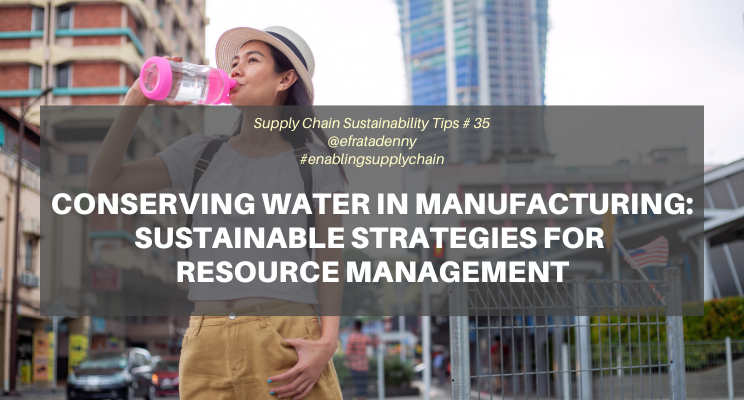
Water is a valuable resource, and minimizing its usage in manufacturing processes is essential for sustainable resource management. By implementing water-efficient technologies and adopting responsible water management practices, manufacturers can make a significant impact on water conservation. In this article, we will explore practical tips to reduce water consumption in manufacturing and contribute to a more sustainable future.
- Assessing water footprint: Analyze your manufacturing processes to identify water-intensive areas. By understanding your water footprint, you can prioritize efforts for improvement and focus on areas that have the most significant potential for water conservation.
- Water-efficient technologies: Invest in water-efficient equipment and technologies that reduce water consumption. Consider installing low-flow fixtures, water-recycling systems, and closed-loop cooling systems. These innovations can significantly minimize water usage while maintaining operational efficiency.
- Process optimization: Optimize manufacturing processes to minimize water waste. Identify opportunities to improve cleaning procedures, reduce leakages, and implement smart water management systems. By continuously assessing and refining your processes, you can significantly reduce water consumption without compromising product quality.
- Employee awareness: Educate and engage employees about the importance of water conservation. Provide training on water-efficient practices and encourage their active participation. Empowering employees to adopt water-saving behaviors can create a culture of sustainability within the manufacturing facility.
- Regular maintenance: Ensure regular maintenance of equipment and machinery to prevent water leaks. Leaks not only waste water but also impact overall efficiency. By conducting routine inspections and addressing leaks promptly, you can conserve water and identify opportunities for further improvement.
- Rainwater harvesting: Implement rainwater harvesting systems to capture and utilize rainwater for non-potable purposes such as irrigation or cleaning. Harvesting rainwater reduces the strain on freshwater resources and provides a sustainable alternative for certain manufacturing processes.
- Collaboration and innovation: Collaborate with industry partners, research institutions, and water conservation organizations to explore innovative solutions for water conservation in manufacturing processes. By sharing knowledge, leveraging collective expertise, and fostering innovation, manufacturers can drive meaningful change in water management practices.
Conserving water in manufacturing is a crucial step towards sustainable resource management. By implementing water-efficient technologies, optimizing processes, raising employee awareness, conducting regular maintenance, exploring rainwater harvesting, and collaborating on innovative solutions, manufacturers can significantly reduce water consumption and contribute to a more sustainable future. Let’s prioritize responsible water management and work together to conserve this precious resource. By taking action today, we can create a more sustainable manufacturing industry and a better world for future generations. Conserve water and make a difference!









 Efrata Denny