
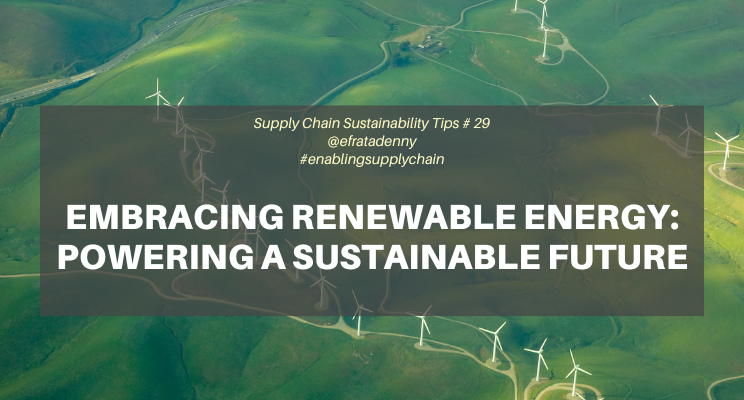
Transitioning to renewable energy is a crucial step in mitigating climate change and building a sustainable future. By investing in renewable energy infrastructure, businesses can reduce their carbon footprint and contribute to a cleaner, greener planet. In this article, we will explore practical tips to embrace renewable energy and power your operations sustainably.
- Install solar panels: Harness the abundant power of the sun by installing solar panels on rooftops or open spaces. Solar panels generate clean and renewable energy, offsetting your electricity consumption and reducing reliance on fossil fuels. By utilizing solar energy, you can significantly reduce carbon emissions and lower your environmental impact.
- Embrace wind turbines: If you operate in areas with favorable wind conditions, consider utilizing wind turbines to harness the power of the wind. Wind turbines convert wind energy into electricity, providing a sustainable and renewable power source. By embracing wind energy, you can diversify your renewable energy portfolio and contribute to a greener grid.
- Conduct feasibility studies: Before investing in renewable energy infrastructure, conduct feasibility studies to assess the suitability and potential benefits based on your location, energy requirements, and available resources. These studies will help you make informed decisions about the most viable and cost-effective renewable energy options for your business.
- Explore green energy suppliers: Collaborate with energy suppliers who offer renewable energy options. By sourcing your electricity from clean and sustainable sources, you support the growth of renewable energy generation and reduce the demand for fossil fuel-based power. This collaboration aligns your energy consumption with your sustainability goals.
- Energy storage solutions: Invest in energy storage technologies such as batteries to store excess renewable energy. Energy storage systems allow you to capture and store renewable energy during times of high generation and utilize it during periods of high demand or low generation. This helps optimize your renewable energy utilization and ensures a reliable power supply.
- Monitor energy consumption: Implement energy monitoring systems to track your energy consumption patterns. By understanding your energy usage, you can identify areas for improvement, optimize energy efficiency, and reduce overall energy consumption. Energy monitoring empowers you to make data-driven decisions and further enhance your sustainability efforts.
- Communicate your commitment: Share your renewable energy initiatives with customers and stakeholders. Highlight your dedication to sustainable practices and inspire others to follow suit. By communicating your commitment to renewable energy, you not only raise awareness but also contribute to the broader adoption of clean energy solutions.
Investing in renewable energy infrastructure, such as solar panels and wind turbines, empowers businesses to reduce their carbon footprint and embrace a sustainable energy future. By adopting renewable energy sources, businesses can contribute to a cleaner and greener planet while setting an example for others to follow. Let’s harness the power of the sun and wind to create a brighter and more sustainable future for all.










 Efrata Denny